
Neurological rehabilitation
- Spine physiotherapy
- Ortho & musculoskeletal physiotherapy
- Neurological rehabilitation
- Paediatric Physiotherapy
- Manual Therapy
- Geriatric Care
- Sports Injuries
- Injury Prevention & Conditioning
- Spinal Disorders
- Congenital Malformations
- Postural Correction
- Sports Performance Enhancement
- Neuro Motor Retraining
MON-SUN 8:00 AM-8:00 PM
+91 8125681212
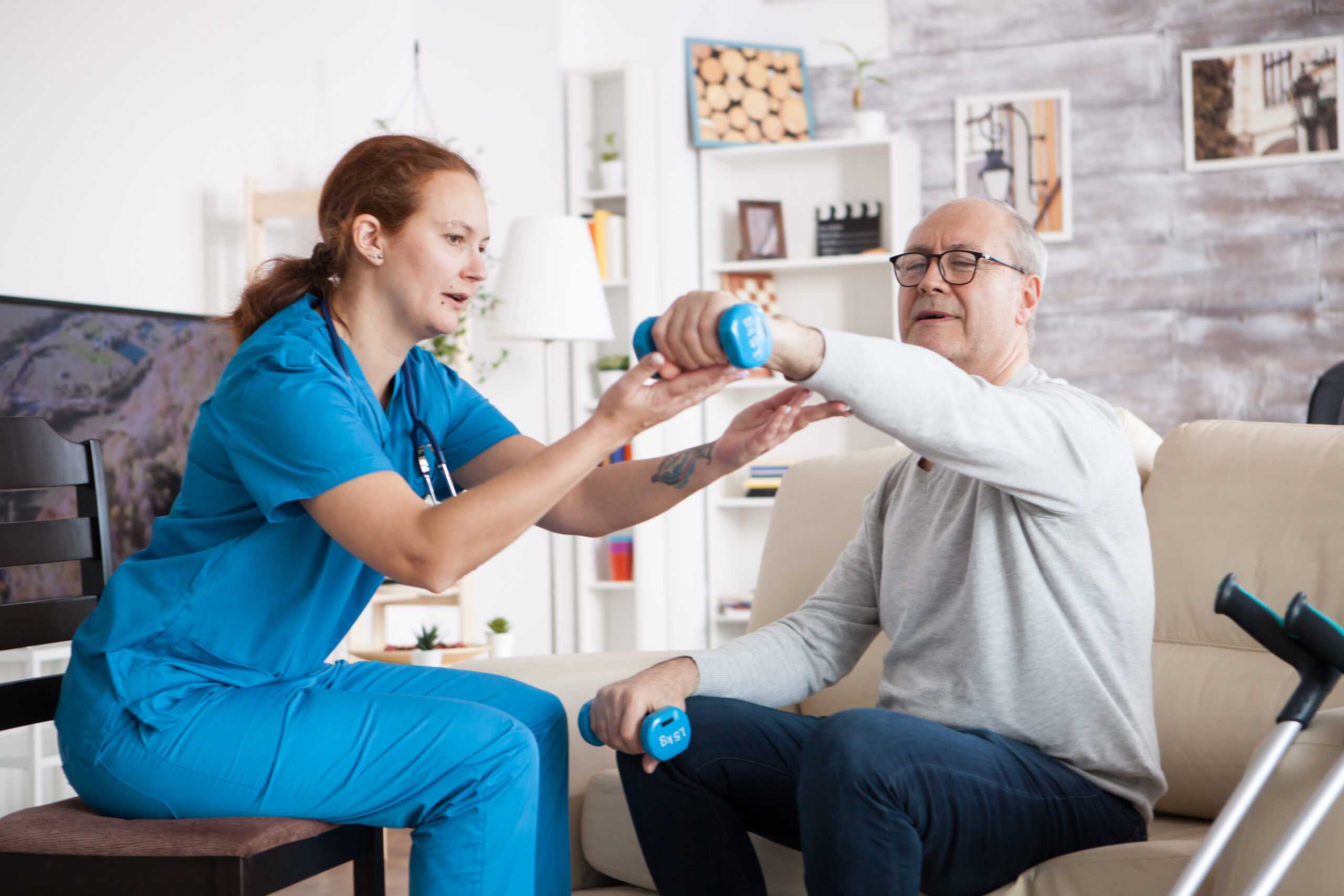
Neurological Rehabilitation
Neurological rehabilitation focuses on helping individuals recover movement, strength, coordination, and independence after conditions that affect the brain, spinal cord, or nerves. The aim is to retrain the nervous system, improve function, and enhance overall quality of life.
What It Covers
Neurological physiotherapy is used for conditions such as:
- Stroke (CVA)
- Parkinson’s disease
- Cerebral palsy
- Spinal cord injuries
- Multiple sclerosis
- Peripheral nerve injuries
- Traumatic brain injuries
- Guillain–Barré syndrome
- Neuromuscular disorders
How We Treat
Each program is individualized based on the patient’s abilities and goals.
1. Detailed Neuro-Functional Assessment
- Balance and gait analysis
- Muscle tone evaluation (spasticity/flaccidity)
- Coordination and reflex testing
- Strength and motor control assessment
- Cognitive and functional independence evaluation
- This helps identify specific deficits and tailor the rehab plan.
2. Neuro-Motor Retraining
- Exercises designed to help the brain relearn lost movements:
- Task-oriented training
- Motor control and coordination drills
- Repetitive movement practice
- Functional activity training (sit-to-stand, walking, transfers)
- These encourage neural pathways to rebuild and strengthen.
3. Balance & Gait Rehabilitation
- Balance correction exercises
- Walking re-education
- Assistive device training (walker, cane)
- Vestibular exercises (if needed)
- This improves stability, reduces fall risk, and restores confident mobility.
4. Strengthening & Flexibility Programs
- Strength training for weak muscles
- Stretching for tight or spastic muscles
- Core stability exercises
- Endurance training
- Helps patients regain control and independence in daily tasks.
5. Functional Independence Training
- Therapy focuses on improving:
- Self-care activities
- Hand function and fine motor skills
- Transfers: bed-to-chair, floor-to-stand
- Home-based functional training
- This enhances day-to-day independence.
6. Gait Aids & Assistive Technology
- Guidance and training in:
- Braces and orthotics
- Splints
- Mobility aids
- Exercise equipment for neuro rehab
- This ensures correct usage and safe mobility.
7. Sensory & Proprioceptive Training
Helps patients regain awareness of limb position, movement control, and body balance.
8. Patient & Family Education
We teach:
- Home exercise plans
- Fall-prevention strategies
- Positioning techniques
- Long-term management of neurological conditions
Outcome You Can Expect
- Improved coordination and movement
- Better balance and walking pattern
- Reduced muscle stiffness or weakness
- Higher independence in daily activities
- Enhanced confidence and mobility
- Slower progression of certain neurological conditions
- Improved quality of life for both patient and family
Where Can I Get Some?
What is Neurological Rehabilitation?
It is a specialized physiotherapy program that helps restore movement, strength, balance, and independence after nerve, brain, or spinal cord conditions. The goal is to retrain the nervous system and improve daily function.
Which conditions benefit from Neuro Rehab?
Stroke, Parkinson’s, cerebral palsy, spinal cord injuries, multiple sclerosis, nerve palsies, and brain injuries all respond well to neurological physiotherapy. Treatment is customized based on the patient’s abilities and recovery goals.
How long does neurological rehabilitation take?
Recovery time varies depending on the condition and severity, but consistent therapy leads to steady improvement in mobility and independence. Early intervention and regular practice give faster, better results.